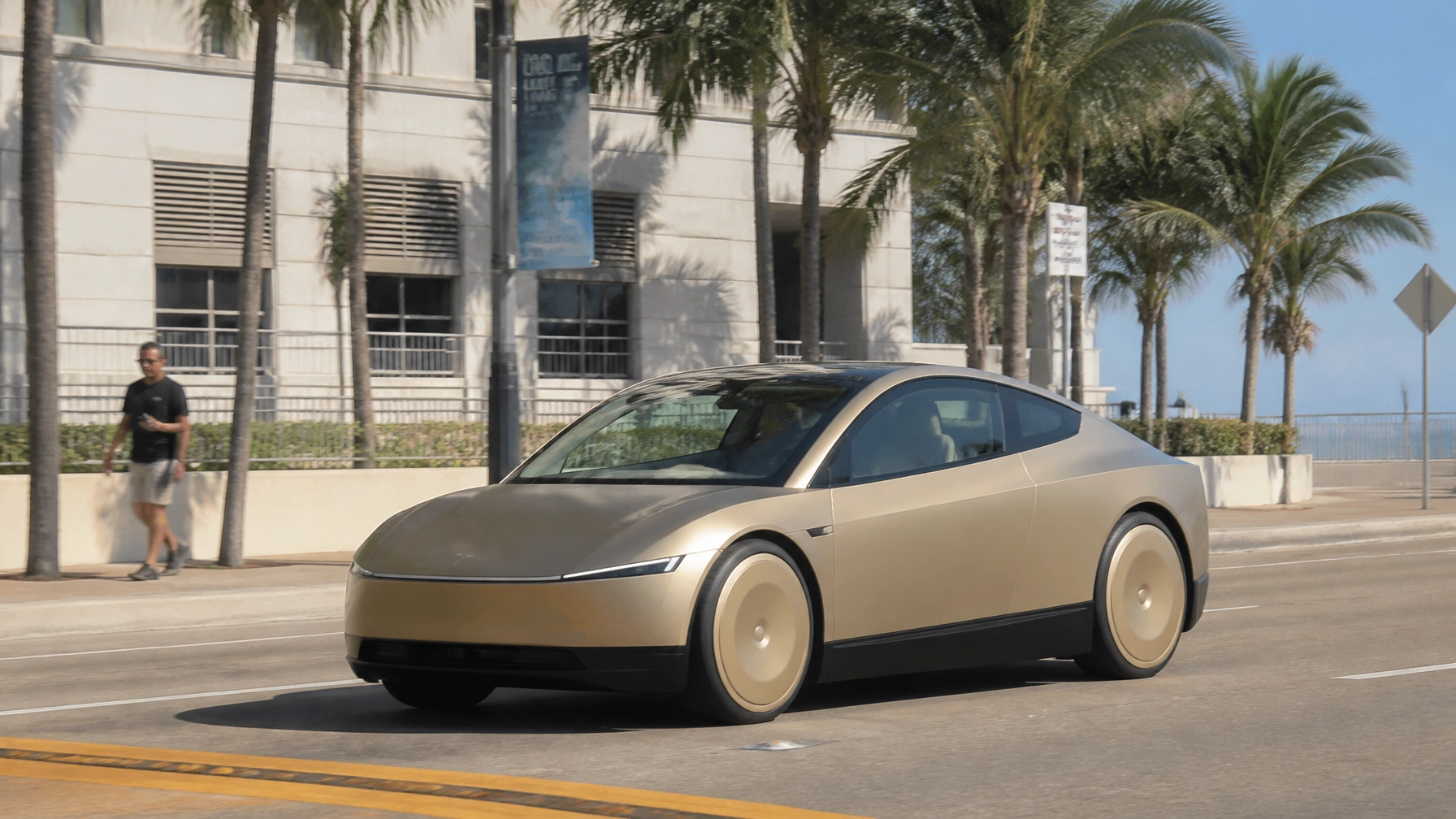
As autonomous vehicle technology rapidly moves from science fiction to city streets, Miami is becoming a testing ground for futuristic transportation. With the arrival and expansion of autonomous robotaxis: including Tesla’s steering-wheel-free Cybercab: our city’s roadways are undergoing a profound transformation. But what happens when cutting-edge technology collides with reality?
If you or a loved one has been injured in a collision involving an autonomous vehicle, you might be wondering who is actually at fault. Is it the passenger who called the ride? The registered owner of the vehicle? Or is it the multi-billion-dollar manufacturer behind the autonomous driving software?
Navigating the aftermath of a robotaxi crash can feel overwhelming. Unlike a traditional fender-bender between two human drivers, determining fault in an autonomous vehicle accident involves complex layers of software engineering, corporate liability, and evolving Florida insurance laws. When you are dealing with painful injuries, mounting medical bills, and insurance adjusters who do not know how to handle autonomous claims, you need an experienced Miami car accident attorney by your side.
What Happens When a Tesla Cybercab Crashes in Miami?
When a standard car accident occurs on I-95, Biscayne Boulevard, or a neighborhood street in Miami, establishing liability is relatively straightforward. Investigators look at driver negligence: speeding, distraction, running a red light, or intoxication.
However, a Tesla Cybercab operates at SAE Level 4 autonomy, meaning it is designed to operate completely without a steering wheel, pedals, or active human control during its trips. When a vehicle without human controls causes a crash, the traditional definition of "driver negligence" shatters.
If a Cybercab suddenly brakes for a phantom hazard, fails to yield to a pedestrian in Brickell, or gets T-boned while navigating an unprotected left turn in Coral Gables, the physical impact on your body is just as real as any other crash. But the legal battle to secure compensation requires an entirely different approach.
Who Is Liable: Tesla, the Owner, or Another Driver?
Because Florida currently lacks a specific statutory framework exclusively governing autonomous vehicle liability, courts and insurers must apply traditional motor-vehicle laws alongside product liability principles. Depending on the exact circumstances of the crash, liability could fall on one or several parties:
1. Tesla as the Manufacturer and Software Developer
If the crash was caused by a software glitch, sensor failure, or a flaw in the Full Self-Driving (FSD) architecture, Tesla may bear heavy product liability. Under Florida law, manufacturers have a legal duty to ensure their products are reasonably safe. If an autonomous system fails to react like a reasonably prudent driver, injured victims can pursue claims against the manufacturer for defective design, failure to warn, or algorithmic failure.
2. The Registered Owner or Fleet Operator
Under standard Florida auto liability rules, the registered owner of a vehicle is generally responsible for its operation. If an individual owns a Cybercab and places it onto a shared robotaxi network to generate passive income, their personal or commercial auto insurance policy is typically the primary source of recovery for injured third parties.
3. Third-Party Human Drivers
Not every crash involving a Cybercab is the robotaxi's fault. If another human driver in Miami runs a red light and strikes a Cybercab, causing a chain-reaction collision that injures you as a passenger or pedestrian, that third-party motorist is liable for your damages just as they would be in any conventional crash.

How Does Autonomous Driving Technology Complicate Fault?
In traditional litigation, a police report, eyewitness testimony, and traffic camera footage usually point clearly toward a negligent driver. In a Tesla Cybercab accident, evidence goes far beyond skid marks and eyewitness accounts.
Proving what went wrong requires analyzing:
- Vehicle Telemetry Data: High-resolution logs from the car's internal hard drives detailing second-by-second steering commands, sensor inputs, and braking data.
- Camera and LiDAR Feeds: Understanding what the vehicle's neural network "saw" or failed to see in the moments leading up to the collision.
- Software Update History: Determining whether the vehicle was running the most current software patch or if an unpatched bug contributed to the crash.
Tesla and other autonomous manufacturers closely guard their proprietary source code and telemetry data. Without aggressive legal representation, obtaining these vital electronic records can be exceptionally difficult. A seasoned Miami personal injury lawyer knows how to issue legal preservation demands and subpoena the technical evidence necessary to hold corporate entities accountable.
What Insurance Coverage Applies to Robotaxi Accidents in Florida?
Insurance is the backbone of any personal injury claim. However, insuring a robotaxi introduces unique challenges:
- Commercial vs. Personal Policies: If a vehicle is being operated commercially as a robotaxi, standard personal auto insurance policies typically exclude coverage. Owners must carry specialized commercial auto policies and autonomous vehicle endorsements.
- Manufacturer Self-Insurance and Corporate Policies: Major autonomous fleets often maintain massive corporate liability policies or self-insure significant portions of their operational risk. Dealing with corporate risk management teams requires specialized negotiation tactics.
- PIP and Bodily Injury Claims: Florida's mandatory Personal Injury Protection (PIP) applies to registered vehicles, but coordinating benefits across corporate fleets and third-party insurers can quickly become a bureaucratic maze.
Insurance adjusters for tech companies and commercial insurers are trained to minimize payouts, especially in novel technological contexts. Having a dedicated advocate ensures your financial recovery is not shortchanged by insurers exploiting legal gray areas.

What Should You Do Immediately After a Robotaxi Crash?
If you are involved in an accident with a Tesla Cybercab: whether as a pedestrian, a cyclist, another driver, or a passenger inside the robotaxi: taking the right steps protects both your health and your legal rights:
- Prioritize Your Safety and Medical Care: Call 911 immediately if anyone is injured. Never underestimate the severity of post-crash injuries like whiplash, internal trauma, or concussions. Seek immediate medical evaluation.
- Document the Scene: Take photographs and videos of all vehicles involved, the surrounding roadway, traffic signs, and any visible injuries. Note the vehicle's identification numbers or digital branding.
- Secure Official Reports: Ensure local law enforcement files an official Miami-Dade police report documenting the incident.
- Avoid Giving Recorded Statements: Do not speak to insurance adjusters or corporate representatives from Tesla or fleet operators before consulting legal counsel. Anything you say can be used to minimize your claim.
- Contact an Attorney Promptly: Evidence in autonomous vehicle crashes can be overwritten or deleted quickly. Early intervention by an experienced legal team is critical.
How Our Firm Can Help You Fight for Maximum Compensation
At the Law Offices of Gonzalo Funes, PA, we combine deep legal expertise with a compassionate, client-first approach. We treat every client like family, fighting relentlessly against corporate insurers and manufacturers who refuse to take responsibility for negligence: human or artificial.
When you trust our team with your robotaxi accident claim, we handle every aspect of your case:
- Conducting an independent investigation into the crash mechanics and autonomous software performance.
- Preserving critical vehicle telemetry and sensor data before it is lost.
- Identifying all available insurance policies and corporate liable parties.
- Managing all communications and aggressive negotiations with insurance adjusters.
- Fighting for maximum financial compensation to cover your medical expenses, lost wages, rehabilitation, and pain and suffering.
For more on how modern liability issues affect Miami drivers, explore our posts on Who's Liable When a Driverless Car Hits You, When an Amazon Driver Hits You, and Rideshare Accidents in Miami — both cover the complex corporate liability landscape that applies to robotaxi cases as well.
You do not have to face the complexities of autonomous vehicle litigation alone.

Schedule Your Free Consultation Today
If you or a loved one has suffered injuries in an accident involving an autonomous vehicle or robotaxi in South Florida, time is of the essence. Critical evidence must be preserved, and insurance deadlines must be met.
Contact us today for a free, no-obligation consultation with a dedicated Miami car accident attorney. We are here to listen to your story, answer your questions, and provide the strong legal advocacy you deserve. Visit our contact page or call our office to get started on your path to recovery.