What Is a Duty of Care in a Personal Injury Case?
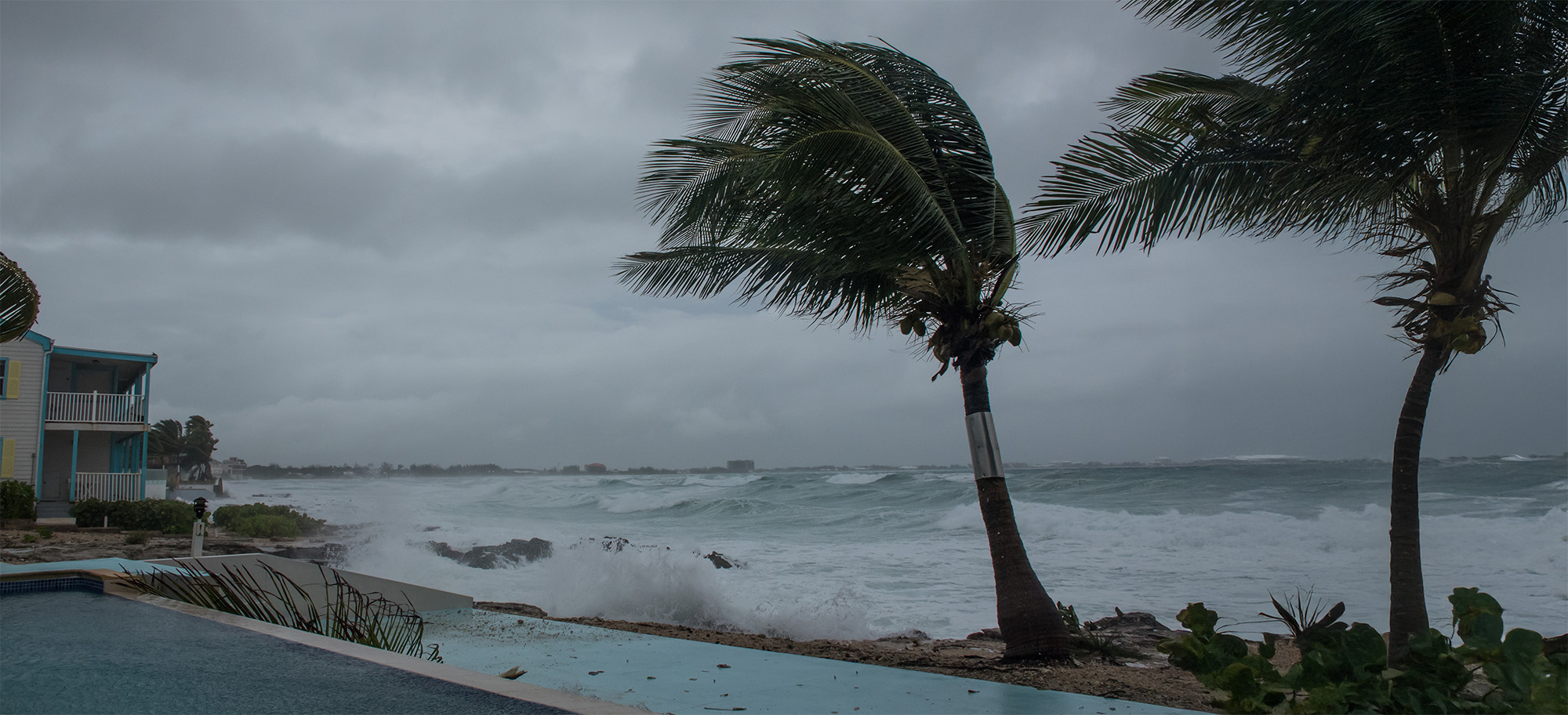
If you own property in Miami, you know how devastating hurricanes can be. Each year, residents brace for the Atlantic hurricane season, hoping their homes and businesses will be spared. Unfortunately, even the most prepared property owners can suffer serious damage when a major storm strikes. When that happens, you count on your insurance company to fulfill its promise to help you rebuild and recover. But too often, that promise is met with delays, underpayments, or denials. At the Law Offices of Gonzalo Funes, PA, we are dedicated to fighting for property owners, and we stand ready to fight for you, too. Contact a dedicated Miami property damage lawyer from our firm to discuss your hurricane damage claim today.
Hurricanes can leave behind destruction that affects every part of a property, from the roof to the foundation. In Miami, some of the most common types of hurricane-related property damage include the following:
Many homeowners and business owners only review their insurance policies after disaster strikes. Unfortunately, this can lead to surprises at the worst possible time. Most property insurance policies in Florida cover hurricane damage, but there are important limitations and conditions.
For example, most policies include a separate hurricane deductible. This deductible is often much higher than the standard deductible for other types of claims. It is typically calculated as a percentage of the property’s insured value rather than a flat dollar amount.
In addition, flood damage caused by rising water or storm surge is usually not covered under standard property insurance policies. Flood insurance is a separate policy, often purchased through the National Flood Insurance Program (NFIP).
Understanding your policy also means knowing what is required of you. Many policies include strict deadlines for reporting damage, submitting documentation, and making temporary repairs to prevent further harm.
If you have questions about what your policy covers or whether certain damage should be paid by your insurer, it is wise to consult with an experienced hurricane damage claim lawyer.
What you do in the hours and days after a hurricane can make a significant difference in your claim. Here are important steps to take if your property is damaged:
These steps can help preserve your rights and make sure your insurance company has no reason to delay or deny your claim.
Sadly, many property owners in Miami face challenges when dealing with insurance companies after a hurricane. Some of the most common issues include the following:
Florida law sets certain standards for how insurance companies must handle hurricane damage claims. While the exact timeline can vary depending on the complexity of the claim, here is a general overview:
Keep in mind that these deadlines are designed to protect policyholders, but insurers sometimes fail to meet them. When that happens, you may have legal remedies available to you, including potential entitlement to interest or attorney’s fees.
There are steps you can take before, during, and after a storm that can make your claim stronger and more likely to succeed. These steps are as follows:
At the Law Offices of Gonzalo Funes, PA, we understand how stressful and overwhelming it can be to deal with hurricane damage and an uncooperative insurance company at the same time. Our firm is dedicated to helping property owners get the compensation they need to rebuild and move forward.
If you are struggling with your hurricane damage claim, or if you just want guidance from the start, contact a lawyer from our firm today for a consultation. Let us help you protect your rights and get the recovery you deserve.

© 2026 Law Offices of Gonzalo Funes, PA. All rights reserved. Attorney advertising.