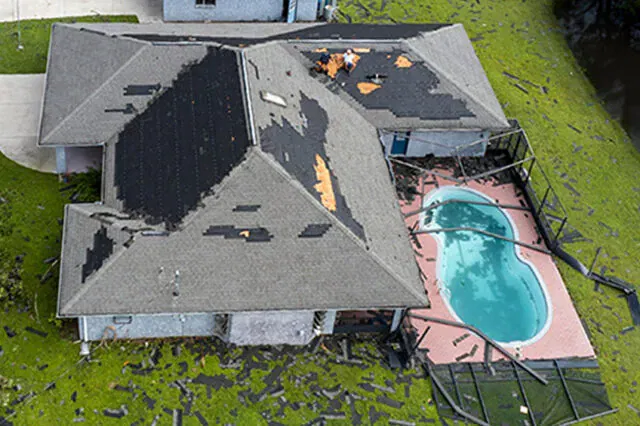
A hurricane, tropical storm, flood, fire, or other disaster can leave your Miami home unsafe and your finances uncertain. You may be facing emergency repairs, temporary housing costs, damaged belongings, and pressure from your insurance company to accept a payment quickly.
Then the settlement offer arrives. It does not come close to covering the repairs.
An underpaid claim can create serious financial hardship. If you accept too little, you may have to pay thousands of dollars out of pocket to restore your home. You may also lose important legal rights if you sign a release or agree that the insurer’s payment is a full and final settlement.
If your insurer has offered less than your documented losses, you may be able to challenge the decision. The following steps can help you understand your rights and protect your claim.
What Should You Do After Receiving a Low Insurance Offer?
Start by reviewing the offer carefully. Do not assume that the first estimate is complete or final. Insurance estimates often contain exclusions, limited repair scopes, pricing assumptions, or missing damage.
Before accepting payment, check whether the insurer has accounted for:
- Roof repairs or replacement
- Water intrusion and hidden moisture damage
- Structural damage
- Drywall, flooring, cabinetry, and paint
- Debris removal
- Mold prevention or remediation
- Damage to detached structures
- Personal property
- Temporary repairs
- Additional living expenses, if covered by your policy
- Building code or ordinance-related costs, when applicable
Do not sign a release stating that the payment resolves the entire claim unless you understand exactly what rights you are giving up. Be cautious about cashing a check described as a “full and final settlement.” The consequences can depend on the policy language, check language, surrounding communications, and applicable law.
You can acknowledge receipt of the offer in writing while stating that you are continuing to evaluate the full extent of your loss. Keep copies of every letter, email, estimate, photograph, and text message connected to the claim.
How Can You Determine Whether the Insurance Company Underpaid Your Claim?
Your insurance policy controls the scope of coverage. It is more than a general promise to repair your home. It contains definitions, exclusions, deductibles, endorsements, limits, conditions, and deadlines that can affect the amount you recover.
Review the declarations page first. It may identify:
- The insured property
- Coverage limits
- Deductibles
- Hurricane or windstorm deductibles
- Personal property coverage
- Additional living expense coverage
- Endorsements that modify standard coverage
Next, read the insurer’s estimate line by line. Compare it with the actual condition of your property and the work required to restore it. Look for low quantities, outdated pricing, omitted rooms, missing labor, and repairs that do not match current building standards.
Ask the insurer for a written explanation of disputed items. You should understand why the company excluded a repair, applied a limitation, classified damage as pre-existing, or used a particular valuation method.
Florida’s current property-insurance rules include requirements concerning claim acknowledgment, detailed estimates, investigations, and payment or denial of claims. You can review Florida Statute § 627.70131 and the Florida Department of Financial Services’ Homeowner Claims Bill of Rights information. Your policy may also impose additional requirements.
How Should You Document Hurricane or Disaster Damage?
Strong documentation is often the foundation of a successful insurance dispute. The insurer may argue that some damage was pre-existing, unrelated to the storm, cosmetic, or not adequately supported. Thorough evidence can help answer those arguments.
Before making non-emergency repairs, photograph and record every affected area. Take both wide photographs showing the location and close-up photographs showing the specific damage. Include:
- Roof damage and missing shingles
- Broken windows and doors
- Water stains and damaged ceilings
- Damaged walls, floors, cabinets, and appliances
- Electrical or plumbing problems
- Standing water and drainage issues
- Damaged fences, landscaping, or other structures
- Personal belongings that cannot be repaired
If conditions are unsafe, do not put yourself at risk to obtain photographs. Ask a qualified professional to inspect the property.
Save pre-storm photographs, inspection reports, receipts, maintenance records, and prior repair invoices. These documents may help establish the property’s condition before the event and show that the damage was not a long-standing maintenance issue.
Keep a written claim diary. Record the date, time, participants, and substance of every conversation with the adjuster, contractor, engineer, and insurance representative. Save all claim-related communications in one location.
You should also maintain receipts for emergency measures, such as tarps, water extraction, temporary boarding, storage, hotel stays, and other reasonable expenses. Promptly notify the insurer before undertaking significant permanent repairs, unless immediate action is necessary to prevent further damage.

Why Should You Be Careful With the Insurance Adjuster?
An insurance adjuster may appear helpful and professional. However, the adjuster is generally investigating the claim for the insurance company. The adjuster’s estimate may not include every repair required to return your property to its pre-loss condition.
During an inspection or recorded statement:
- Answer questions truthfully and accurately.
- Do not guess about facts you do not know.
- Do not minimize damage because you are unsure whether it is covered.
- Avoid speculating about the cause of damage.
- Ask for important requests and decisions in writing.
- Do not allow unnecessary delays in emergency mitigation.
- Do not sign documents you do not understand.
You should cooperate with reasonable requests under your policy. At the same time, cooperation does not require you to agree with the insurer’s valuation or accept an inadequate settlement.
Be especially cautious when a contractor, mitigation company, public adjuster, or other vendor asks you to sign an assignment of benefits or a broad contract immediately after a disaster. Read the terms carefully and consider obtaining legal advice before transferring rights or committing to substantial fees.
Can an Independent Estimate Help Challenge a Lowball Offer?
Yes. An independent estimate can identify work the insurer omitted or undervalued. Consider obtaining a detailed estimate from a qualified, licensed contractor who has experience with the type of damage involved.
The estimate should be specific. It should identify the affected areas, materials, quantities, labor, code-related work, demolition, disposal, temporary measures, and expected repair methods. A general statement that “the roof needs repair” is less useful than a line-item scope describing the necessary work.
Depending on the dispute, you may also need an engineer, roofing specialist, remediation professional, or contents specialist. A licensed public adjuster can assist with preparing and presenting a claim, while an attorney can evaluate coverage, policy requirements, negotiations, and potential legal remedies. These professionals serve different roles.
Do not automatically select the estimate with the highest price. The goal is to create an accurate, well-supported assessment of the covered loss.
What Should You Include in a Written Insurance Dispute?
A written dispute or supplemental claim should be organized and supported. It commonly includes:
- Your policy number and claim number
- The date and cause of the loss
- The insurer’s payment or estimate
- The repairs and damages you believe were omitted or undervalued
- The amount supported by your independent estimates
- Photographs, videos, receipts, reports, and inventories
- A request for a written response to each disputed item
Send the documentation through a method that creates a reliable record. Keep proof of delivery and copies of every attachment.
A supplemental claim may be appropriate when additional damage or repair costs become known. Florida Statute § 627.70132 addresses notice deadlines for new, reopened, and supplemental property insurance claims. Under the statute, new or reopened claims generally have a one-year notice period, while supplemental claims generally have an 18-month period, measured from the applicable date of loss. Policies and specific facts can affect the analysis, so do not wait to obtain advice.
Missing a deadline can prevent you from recovering otherwise covered benefits.
When Should You Hire a Property Damage Lawyer in Florida?
You should consider consulting a property damage lawyer when:
- The insurer’s estimate is substantially lower than credible repair estimates.
- The claim was denied in whole or in part.
- The insurer alleges pre-existing damage without adequate support.
- The insurer relies on an exclusion or limitation you do not understand.
- Hidden damage appears after the initial inspection.
- The insurer delays, stops communicating, or repeatedly requests information.
- You are being pressured to sign a release.
- The policy includes an appraisal or dispute-resolution provision.
- You are approaching a notice or lawsuit deadline.
Our firm represents homeowners, associations, and businesses in disputes involving underpaid and denied property insurance claims. We can review your policy, estimate, claim correspondence, and supporting evidence. We can also help determine whether further documentation, appraisal, mediation, negotiation, or litigation may be appropriate.
Florida homeowners may also have access to free residential property mediation through the Florida Department of Financial Services. Mediation is not appropriate for every dispute, and it does not replace a legal evaluation. You should understand how participating may affect your claim and deadlines.

How Can Our Miami Property Damage Lawyers Help?
At the Law Offices of Gonzalo Funes, PA, we understand that property damage is more than a repair estimate. It can affect your family’s safety, your living arrangements, your business, and your financial stability.
We handle hurricane damage claims, flood damage claims, fire damage claims, and potential bad-faith insurance claims. Our approach is personalized and focused on clear communication. We work to identify what your policy covers, document the full extent of your loss, and protect your interests throughout the dispute.
If your insurance company has made a low offer after a hurricane or disaster, do not assume you must accept it. Contact us for a free consultation through our contact page or call (305) 771-8858. The sooner we review your situation, the sooner you can understand your options and avoid preventable mistakes.
This article provides general information and is not legal advice. Insurance coverage and deadlines depend on your policy, the date and cause of loss, and the facts of your claim. Speak with a qualified Florida attorney about your specific circumstances.


