
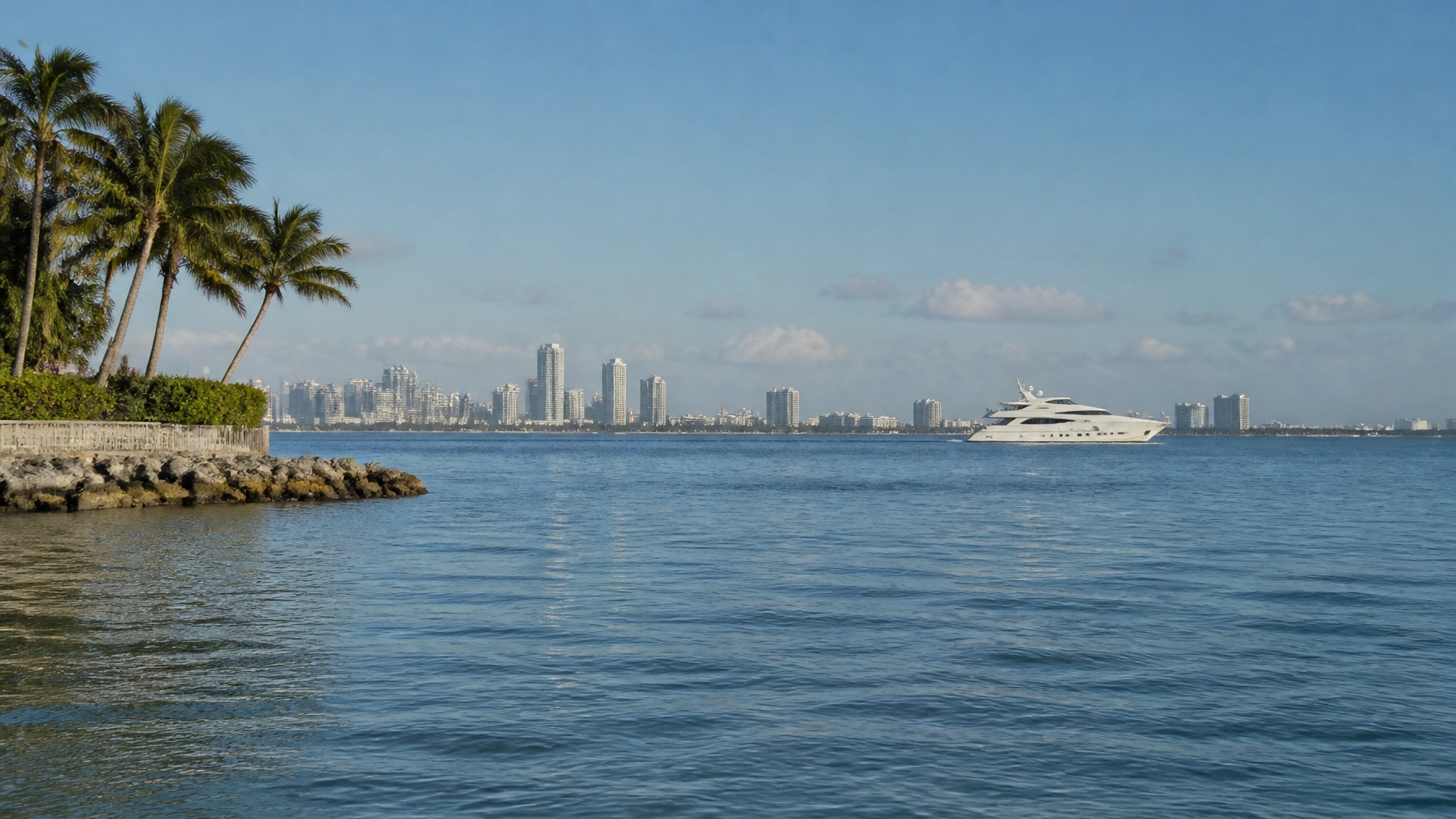
Miami’s glistening waters, from the vibrant expanse of Biscayne Bay to the coastal stretches of the Atlantic, offer an unmatched lifestyle for residents and visitors alike. But beneath the appeal of weekend boat trips and tropical cruises lies a sobering reality. Florida consistently leads the nation in recreational boating accidents, and Miami-Dade County frequently records the highest number of vessel crashes in the state.
When a relaxing day on the water turns into a catastrophic collision, ejection, or severe injury, the aftermath can feel overwhelming. You may be facing mounting medical bills, time away from work, and complex insurance adjusters who are quick to minimize your suffering. At the Law Offices of Gonzalo Funes, PA, we understand the profound physical and emotional toll a serious accident takes on you and your family. Below, we break down what you need to know about Florida’s maritime injury laws, your rights, and why securing experienced legal advocacy is crucial.
Why Are Miami Waters So Hazardous, and How Common Are Boating Accidents?
With year-round sunshine and thousands of registered vessels, Miami’s waterways are heavily congested. Popular sandbars, narrow channels, and bustling marinas create high-risk environments where operator error can have devastating consequences.
According to data from the Florida Fish and Wildlife Conservation Commission (FWC), hundreds of reportable boating accidents occur across the state each year, resulting in numerous injuries and fatalities. The leading causes of these tragedies include:
– **Operator Inexperience & Distraction:** Unlike driving a car, operating a boat requires navigating currents, tides, and changing weather without lane markings. Failing to maintain a proper lookout is a primary cause of collisions.
– **Boating Under the Influence (BUI):** Alcohol impairs judgment, balance, and reaction time. Operating a vessel with a blood alcohol concentration (BAC) of 0.08% or higher is illegal, and recent state measures like “Lucy’s Law” have increased criminal penalties for serious BUI offenses.
– **Excessive Speed and Wake Management:** Speeding through crowded areas or narrow channels leaves little time to react to swimmers, paddleboarders, or stationary objects.
– **Sudden Weather Shifts:** South Florida’s afternoon squalls can reduce visibility to zero within minutes, catching unprepared operators off guard.
When negligence on the water results in physical harm, the consequences can be life-altering: ranging from traumatic brain injuries and spinal cord damage to severe near-drowning trauma.

What Legal Framework Applies After a Boating Collision?
One of the most complex aspects of a water-related injury is determining which laws apply. Unlike a standard fender-bender on I-95, accidents occurring on “navigable waters”: which include Biscayne Bay, the Intracoastal Waterway, and coastal oceans: are typically governed by **federal maritime (admiralty) law** alongside Florida state laws.
Navigating this dual legal system requires specialized knowledge. While many people search for a traditional [miami car accident attorney](https://funeslawoffice.com/what-is-a-duty-of-care-in-a-personal-injury-case) when dealing with transport injuries, boating accidents fall under the broader umbrella of personal injury law with unique maritime doctrines. For example, federal maritime law addresses concepts of unseaworthiness, limitation of liability for vessel owners, and specific comparative fault rules that can dramatically impact your financial recovery.
If you have questions about whether you have grounds to take legal action, you can learn more about your options by reviewing our guide on [can I sue after a boat accident](https://funeslawoffice.com/can-i-sue-after-a-boat-accident).
What Are Your Legal Responsibilities and Reporting Requirements After an Accident?
If you or your loved ones are involved in a boating incident, knowing what to do immediately afterward is vital for both safety and your legal rights:
- Render Aid and Call for Emergency Assistance: If anyone is injured or missing, call 911 or hail the U.S. Coast Guard and FWC immediately. Render reasonable assistance without placing yourself in extreme danger.
- Do Not Leave the Scene: In serious accidents involving injury, death, or significant property damage, fleeing the scene is a severe criminal offense under Florida law.
- Fulfill Reporting Mandates: Florida law requires vessel operators to report accidents to law enforcement (such as the FWC or local police) when there is a death, disappearance, injury requiring medical treatment beyond first aid, or property damage exceeding statutory limits.
- Document the Evidence: If it is safe to do so, take photographs of vessel damage, environmental conditions, and injuries. Collect contact information from witnesses and other boat operators.
Failing to report an accident promptly or missing key statutory deadlines can jeopardize your ability to secure compensation for your losses.

How Can a Miami Personal Injury Lawyer Help You Recover Compensation?
Insurance companies often approach maritime and boating claims aggressively, attempting to shift blame onto victims or exploit complex federal jurisdictional rules to pay out less than what is fair. Having a dedicated advocate on your side levels the playing field.
As an experienced [miami personal injury lawyer](https://funeslawoffice.com/), our firm investigates every facet of your case to protect your interests. We handle the heavy lifting by:
– **Preserving Critical Evidence:** Securing GPS logs, vessel maintenance records, radar data, and official FWC or Coast Guard investigation reports before evidence disappears.
– **Identifying All Liable Parties:** Determining whether liability rests with a negligent boat operator, a charter company, a boat rental agency, or a manufacturer of defective marine equipment.
– **Calculating the True Cost of Your Injuries:** Demanding full compensation for your medical bills, future rehabilitation costs, lost wages, diminished earning capacity, and profound pain and suffering.
– **Managing Insurers:** Communicating directly with insurance adjusters so you can focus entirely on your physical recovery.

What Should You Do Right Now If You’ve Been Injured?
Time is of the essence after a boating accident. Memories fade, physical evidence on the water shifts rapidly, and strict statutes of limitations apply to personal injury and maritime claims in Florida. Delaying action can leave you vulnerable to mounting financial pressures while negligent parties escape accountability.
If you or someone you love has been hurt on South Florida’s waters, you do not have to navigate this challenging journey alone. At the Law Offices of Gonzalo Funes, PA, we treat our clients like family, offering compassionate guidance, clear communication, and relentless legal advocacy.
Contact us today for a free, confidential consultation. Let us review your case, explain your rights, and fight for the maximum compensation you deserve.